









Ask most people how to fix up their smile and you’ll get the same answer almost every time: make it whiter. Whitening helps, no question. But it’s only one piece of a much bigger picture. What actually makes people notice a smile is harder to bottle. Usually it’s something closer to natural, healthy, and comfortable than it is to bright white.
That shift is part of why cosmetic dentistry has moved past the “whitest shade possible” mindset. Patients are asking better questions now. They want treatments that keep their smile looking like their own while fixing the specific things that bother them. Composite bonding veneers come up a lot in these conversations. The appeal is that the treatment gets shaped around what a person actually needs, not a template everyone gets pushed through.
Balance Matters More Than Perfection
No two smiles behave the same way. Tooth size, face shape, lip line, even the way someone laughs, all of it is connected. Change one feature too much and the rest of the smile stops looking like it belongs to the same face, even if that one feature looks fine sitting on its own.
That’s why cosmetic work usually isn’t about matching every tooth to a perfect standard. It’s about getting the whole smile working together. Most people who look into composite bonding veneers aren’t chasing a different smile. They want the one they already have to look like it does on a good day, just a bit more consistently.
The Small Stuff Usually Matters Most
People assume cosmetic dentistry means something dramatic. In practice, the results patients end up happiest with are often the ones nobody else even clocks.
A chipped edge that catches the light wrong. A worn corner from years of grinding. A gap that’s never shown up in a single photo but has bothered someone since they were a teenager. None of it sounds like much written down, but fixing it changes how someone feels every time they smile without thinking about it.
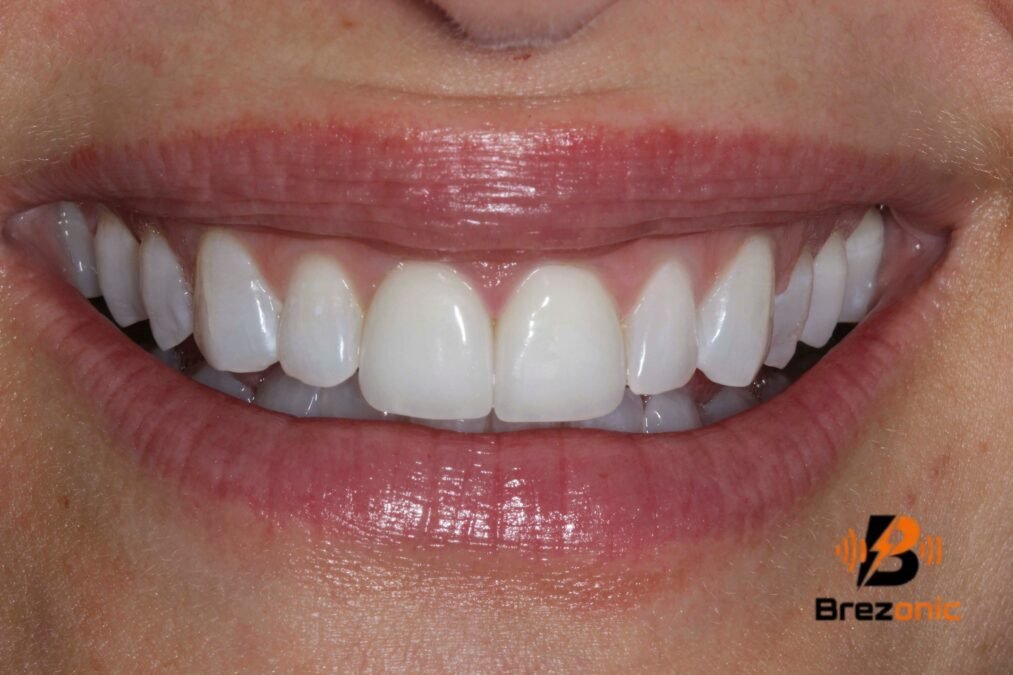
That’s a big reason composite bonding veneers keep coming up for patients who want a conservative fix, something that solves the actual problem without looking obviously “done.”
Colour Is Only Part of the Story
Whiter teeth do brighten things up. But colour on its own rarely makes a smile look right.
Shape matters. So does how the teeth meet, and how symmetrical the whole thing reads at a glance. A natural-looking result usually comes from adjusting a handful of small details rather than fixating on whitening and stopping there.
Anyone considering composite bonding veneers should expect their dentist to look past shade entirely, at shape, proportion, bite, and long-term oral health, since all of that decides whether the treatment actually fits.
That kind of planning is what keeps the final result looking balanced instead of overdone.
Healthy Teeth Come First
Before any cosmetic conversation starts, the basics need to be solid. Cosmetic work holds up best on healthy teeth and gums, which is really just another reason to stay on top of checkups, brushing properly, and cleaning between teeth the way you’re supposed to.
Composite bonding veneers, or really any cosmetic option, should sit on top of good daily habits. They’re not a substitute for them.
Every Smile Needs Its Own Plan
There’s no single fix that works across the board here. Some patients are dealing with edges worn thin from years of use. Others just want a small gap closed or an uneven edge smoothed out. Everyone’s starting point looks a little different, so what they actually need does too.
That’s why treatment planning should start with an honest look at the individual smile rather than a standard template. Cyncoed Dental Practice takes this approach, encouraging patients to talk through what they actually want instead of assuming everyone’s chasing the same result.
Questions Worth Sitting With First
If cosmetic treatment is on your mind, a few questions are worth working through before you commit:
- What’s actually bothering you about your smile?
- Are you after something subtle, or a bigger change?
- How much does keeping your natural tooth structure matter to you?
- What upkeep are you realistically going to keep up with?
- Which option balances how it looks with your long-term oral health?
Working through those tends to make it a lot clearer whether composite bonding veneers are the right fit.
Confidence Isn’t About Flawless Teeth
The smiles people remember aren’t necessarily the whitest ones. They’re the ones given without a second thought, mid-laugh, in a photo nobody posed for, at the kind of moment where you forget to be self-conscious.
Confidence doesn’t need perfect teeth behind it. It just needs enough comfort that the pause before smiling disappears. For some people, fixing one small thing is what does that. For others, it’s simply understanding what their options actually are. Either way, realistic expectations and a bit of planning tend to get people to results they’re genuinely happy with.
A natural-looking smile was never just about colour. Shape, balance, symmetry, and healthy teeth all play a part in how a smile looks and feels day to day. Composite bonding veneers work well for plenty of people, and a different approach will suit others better, depending on what they actually need fixed.