








Skincare is no longer viewed as something reserved for a specific audience. More men are building simple, effective skincare routines that target common concerns such as acne, redness, razor bumps, and uneven skin tone. While there are countless products available, azelaic acid has become a popular ingredient because it addresses multiple skin concerns without requiring a complicated routine.
Known for its anti-inflammatory, antibacterial, and skin-brightening properties, azelaic acid can be a versatile addition to many men’s skincare regimens. Whether you’re dealing with post-shave irritation or lingering acne marks, understanding how this ingredient works can help you decide whether it deserves a place in your daily routine.
Common Skin Concerns Azelaic Acid Addresses in Men
Men often experience a unique combination of skincare challenges. Increased oil production, frequent shaving, sun exposure, and hormonal influences can contribute to persistent breakouts, redness, clogged pores, and post-inflammatory discoloration.
Azelaic acid works by helping reduce acne-causing bacteria, calming visible inflammation, and supporting healthy skin cell turnover. At the same time, it helps regulate excess pigment production, making it useful for improving the appearance of post-acne marks and uneven skin tone.
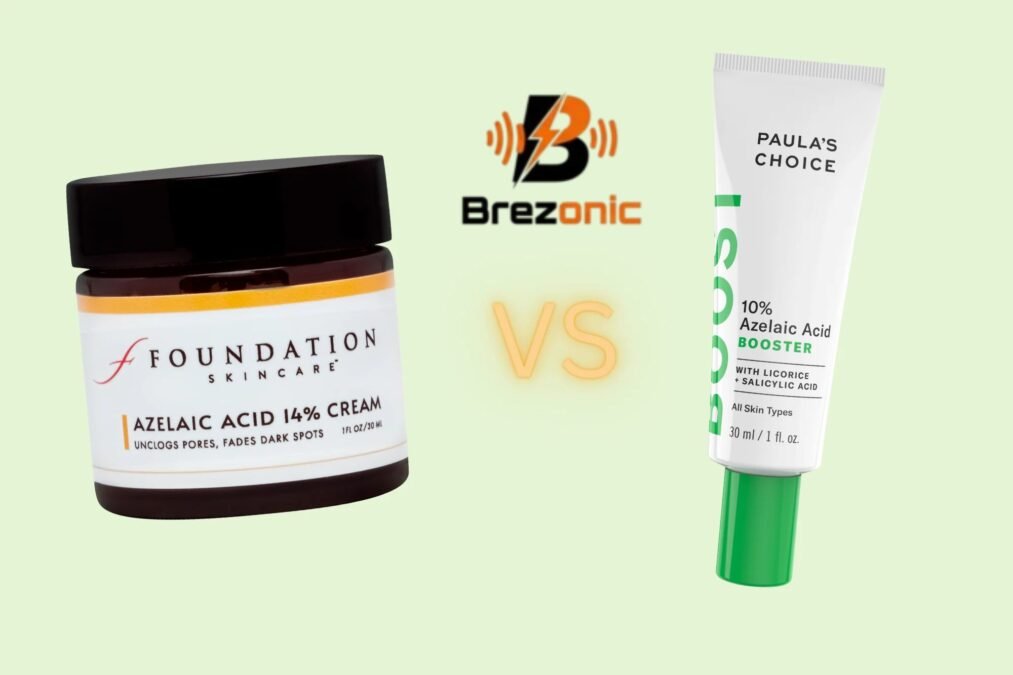
Because it performs several functions at once, 14 azelaic acid is often chosen by individuals looking to simplify their skincare routine without relying on multiple specialized products. Many users appreciate that azelaic acid is generally well tolerated by a variety of skin types, including skin that may be sensitive after regular shaving.
Another common question involves choosing between different acne treatments. Many people compare azelaic acid or benzoyl peroxide for acne because each ingredient offers different benefits. Benzoyl peroxide primarily targets acne-causing bacteria, while azelaic acid provides the additional advantage of helping improve visible redness and post-inflammatory discoloration, making it a versatile option for many skincare routines.
Azelaic Acid for Beard Area Acne and Ingrown Hairs
The beard area presents unique skincare challenges. Frequent shaving can create irritation, clogged follicles, razor bumps, and ingrown hairs that lead to discomfort and uneven skin texture.
Ingrown hairs occur when trimmed hairs curl back into the skin instead of growing outward. This can trigger inflammation and small bumps that closely resemble acne. Because azelaic acid helps encourage healthy skin turnover while reducing inflammation, it may help improve the overall appearance of skin affected by razor-related concerns as part of a consistent skincare routine.
Applying azelaic acid after cleansing and allowing it to fully absorb before moisturizing can help support a healthier skin barrier while minimizing unnecessary irritation. Introducing new products gradually is often recommended, particularly for individuals with sensitive skin or those who shave frequently.
Healthy skin also reflects overall wellness. Nutrition, hydration, quality sleep, and stress management all contribute to maintaining healthy-looking skin. Many individuals interested in comprehensive self-care also research products marketed as the best vitamins for hair growth to support healthy hair alongside their skincare routine, recognizing that skin and hair wellness often go hand in hand.
Final Thoughts
Azelaic acid offers a simple yet effective option for men looking to address multiple skincare concerns with a single ingredient. From acne and post-inflammatory discoloration to beard-area irritation and ingrown hairs, its combination of anti-inflammatory and skin-brightening properties makes it a versatile addition to many routines. With consistent use, proper sun protection, and realistic expectations, azelaic acid can help support clearer, healthier-looking skin while keeping your skincare regimen straightforward and easy to maintain.