








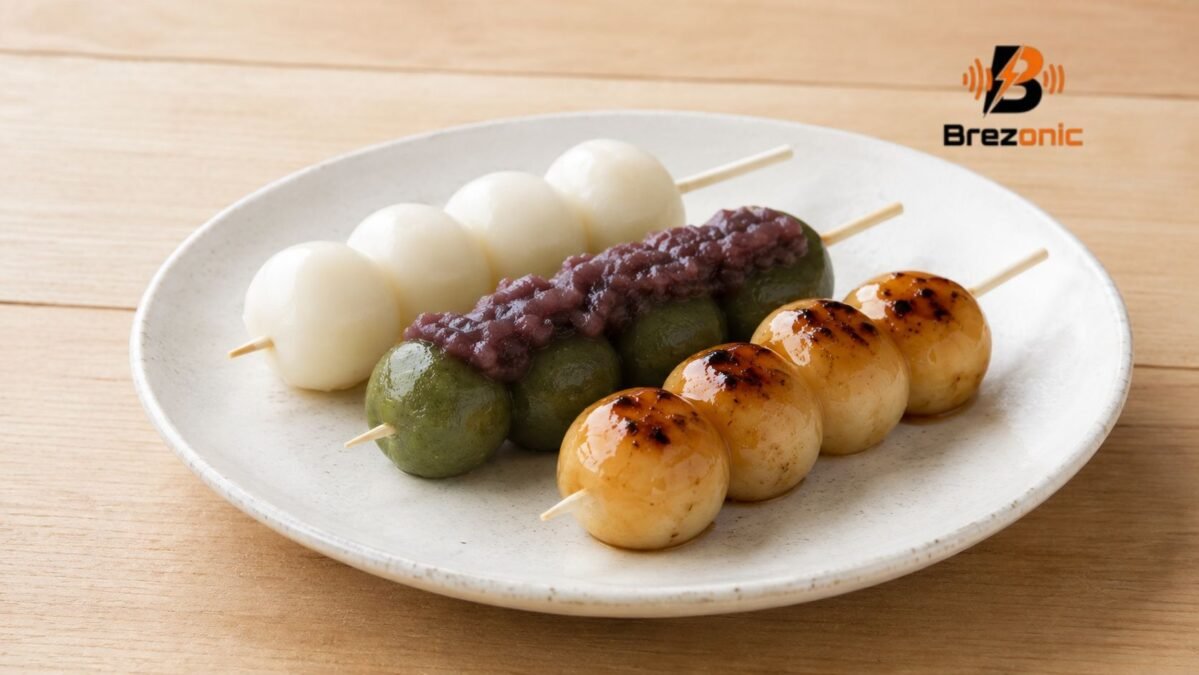
If you have ever searched for the best anko dango near me, you are probably craving something soft, chewy, gently sweet, and unmistakably Japanese. Anko dango combines two traditional Japanese favorites: tender rice dumplings known as dango and sweet red bean paste called anko. The result is a simple dessert with a satisfying texture and a rich flavor that has been enjoyed in Japan for generations.
Today, dango can be found far beyond Japan. Japanese bakeries, wagashi shops, Asian supermarkets, dessert cafés, and specialty restaurants increasingly offer traditional Japanese sweets. However, finding authentic anko dango can sometimes be challenging, especially if you do not know what to look for.
Quick Information
| Information | Details |
|---|---|
| Dessert Name | Anko Dango |
| Origin | Japan |
| Food Type | Traditional Japanese Sweet |
| Main Ingredient | Rice Flour |
| Main Topping | Sweet Red Bean Paste (Anko) |
| Texture | Soft and Chewy |
| Information | Details |
|---|---|
| Common Bean | Azuki Red Beans |
| Serving Style | Usually on Skewers |
| Popular Anko Types | Tsubuan and Koshian |
| Popular Pairing | Green Tea or Matcha |
| Related Desserts | Mochi, Daifuku, Dorayaki |
| Best Places to Find | Wagashi Shops, Japanese Bakeries & Asian Markets |
What Is Anko Dango Near Me?
Anko Dango Near Me is a traditional Japanese sweet made from small rice-flour dumplings served with anko, a sweet paste usually prepared from azuki red beans and sugar.
Dango has a wonderfully distinctive texture. It is soft and chewy but generally firmer than mochi. Several dumplings are commonly placed on a bamboo skewer, making the dessert convenient to hold and eat.
The anko provides most of the sweetness. Good red bean paste has an earthy, slightly nutty flavor that balances beautifully with the relatively neutral rice dumplings.
There are two common styles of anko:
- Tsubuan – a thicker, more textured paste containing partially mashed azuki beans.
- Koshian – a smooth red bean paste with a delicate and refined texture.
Either variety can pair beautifully with freshly prepared dango.
Why Is Anko Dango So Popular?
Part of anko dango‘s appeal comes from its simplicity. Unlike desserts covered in heavy frosting or extremely sweet sauces, traditional Japanese sweets often focus on balance.
The chewy rice dumplings provide texture, while the red bean paste adds sweetness without completely overwhelming the dessert.
Dango is also deeply connected with Japanese food culture. Different styles may appear during festivals, seasonal celebrations, tea breaks, and visits to traditional sweet shops.
For anyone exploring Japanese cuisine beyond sushi and ramen, anko dango provides an excellent introduction to the world of wagashi, or traditional Japanese confectionery.
Best Places to Find Anko Dango Near Me
When searching for anko dango near me, some establishments are much more likely than others to offer authentic versions.
1. Traditional Japanese Wagashi Shops
A Japanese wagashi shop should be one of your first choices.
These specialty stores focus on traditional Japanese confectionery and may sell dango alongside mochi, dorayaki, manju, yokan, and other sweets.
Because wagashi shops specialize in these desserts, they are also among the best places to experience traditional flavors and presentation.
Look for establishments advertising freshly prepared Japanese confectionery rather than businesses selling only packaged imported snacks.
2. Japanese Bakeries
Japanese bakeries are another excellent place to check.
Although many are best known for fluffy milk bread, melon pan, cream buns, and savory baked goods, some also have dedicated sections for traditional sweets.
Freshness is particularly important when buying dango. A local Japanese bakery that prepares desserts daily can provide a noticeably softer and more enjoyable texture than a product that has spent days in packaging.
3. Japanese Supermarkets
A large Japanese or Asian supermarket can be surprisingly useful when searching for anko dango.
Check the refrigerated dessert section, bakery counter, and prepared-food area. Larger markets sometimes carry both freshly made and packaged dango.
Supermarkets are also useful because you may discover several varieties at once. Instead of purchasing only anko dango, you might find mitarashi dango, yomogi dango, sesame dango, or colorful hanami dango.
4. Japanese Dessert Cafés
Modern Japanese dessert cafés combine traditional flavors with contemporary presentation.
These cafés may serve anko alongside dango, matcha ice cream, soft-serve desserts, shaved ice, pancakes, or parfaits.
If you prefer eating your dango immediately rather than taking it home, a café can be an ideal choice. Pairing anko dango with hot green tea or matcha also creates a more complete Japanese-style dessert experience.
5. Japanese Restaurants
Dango is not available at every Japanese restaurant, but it is always worth checking the dessert menu.
Restaurants offering a broader range of traditional Japanese cuisine are more likely to include Japanese sweets than businesses specializing exclusively in sushi.
Some restaurants may also introduce seasonal desserts for a limited time, so the selection can change throughout the year.
6. Japanese Cultural Districts and Food Markets
If your city has a Japantown, Japanese cultural district, Asian market area, or international food hall, it can be one of the best destinations for finding authentic dango.
These areas frequently have multiple bakeries, grocery stores, restaurants, and dessert specialists within walking distance.
It can turn a simple search for anko dango near me into an opportunity to explore several Japanese foods in one trip.
What Does Authentic Anko Dango Taste Like?
Authentic anko dango should have a pleasant balance between texture and sweetness.
Fresh dango feels soft and chewy when bitten but should not be extremely sticky or difficult to eat. The dumplings themselves have a relatively mild rice flavor.
Anko adds the dessert’s distinctive character. Quality red bean paste tastes sweet, earthy, and slightly nutty. It should complement the rice dumpling rather than cover its flavor completely.
People accustomed to very sugary Western desserts may initially find traditional anko comparatively subtle. That restraint, however, is part of its charm.
Popular Dango Varieties Worth Trying
Once you find a good Japanese sweet shop, do not stop at anko dango. Several other varieties deserve attention.
Mitarashi Dango
Mitarashi dango is one of the most recognizable varieties. The dumplings are covered in a glossy sweet-and-savory soy-based glaze.
Its combination of salty, sweet, and chewy flavors makes it a great alternative for people who do not particularly enjoy red bean paste.
Hanami Dango
Hanami dango typically features three colorful dumplings pink, white, and green in one skewer.
It is closely associated with Japan’s cherry blossom season and has become one of the most visually recognizable forms of dango.
Yomogi Dango
Yomogi dango incorporates Japanese mugwort, giving the dumplings their distinctive green color and herbal flavor.
It pairs especially well with sweet anko, as the earthy notes help balance the sweetness of the red bean paste.
Kinako Dango
Kinako is roasted soybean flour with a warm, nutty flavor. Dango coated with kinako provides a different experience from varieties covered with thick sauces or bean paste.
How to Find the Best Anko Dango Near You
A little attention to detail can make your local search much easier.
Try searching specifically for terms such as Japanese wagashi shop, Japanese sweets near me, dango near me, anko dessert, or Japanese bakery in addition to your main search for anko dango.
When examining a shop’s menu, look for references to red bean, azuki bean, sweet bean paste, wagashi, or dango.
It is also worth checking whether the shop prepares its sweets fresh. Dango is highly dependent on texture, and freshness can dramatically affect the experience.
If you visit a Japanese market and cannot immediately see dango, check both refrigerated and frozen sections. Some varieties are stored differently to preserve their texture.
How to Recognize Good-Quality Anko Dango
Appearance alone does not determine quality, but there are several useful signs.
The dumplings should look smooth and properly shaped without appearing excessively dry. When fresh, they should feel tender and pleasantly chewy.
The anko should have a rich red-brown color. Depending on whether tsubuan or koshian is used, it may appear chunky or completely smooth.
Most importantly, neither component should overpower the other. Great anko dango is about harmony the mild rice flavor, chewy texture, and gentle red bean sweetness should work together.
Best Drinks to Enjoy With Anko Dango
Japanese tea is a natural companion to dango.
Green tea works especially well because its slightly bitter notes contrast with sweet red bean paste. Matcha provides an even richer tea flavor, while hojicha offers roasted, warm notes that pair nicely with anko.
Unsweetened beverages are usually the better choice because the dessert already supplies enough sweetness.
Can You Make Anko Dango at Home?
If your search for anko dango near you does not produce many options, making it at home is another possibility.
Dango is traditionally prepared using rice flour and water to create a dough. The dough is divided into small balls and cooked until it reaches its characteristic chewy consistency.
Anko can be prepared from azuki beans and sugar or purchased ready-made from many Asian grocery stores.
Homemade dango also gives you control over sweetness and toppings. You can serve it with chunky tsubuan, smooth koshian, kinako, sesame, matcha powder, or other Japanese-inspired flavors.
Why Anko Dango Is Worth Trying
Anko dango proves that a memorable dessert does not need dozens of ingredients. Its appeal comes from the contrast between chewy rice dumplings and smooth or textured sweet red bean paste.
It is also a wonderful starting point for exploring traditional Japanese confectionery. Once you become familiar with anko, you will notice the ingredient appearing in countless other favorites, including dorayaki, taiyaki, daifuku, manju, and various seasonal wagashi.
Anko dango is a traditional Japanese dessert consisting of chewy rice-flour dumplings served with sweet red bean paste called anko. It has a mildly sweet, earthy flavor and pleasantly chewy texture.
The best places to check include Japanese wagashi shops, Japanese bakeries, Asian supermarkets, dessert cafés, food markets, and traditional Japanese restaurants.
Anko dango combines mildly flavored, chewy rice dumplings with sweet and slightly nutty red bean paste. Authentic versions are generally balanced rather than excessively sweet.
Final Thoughts
Searching for the best anko dango near me can lead you to much more than a single dessert. Traditional wagashi shops, Japanese bakeries, supermarkets, dessert cafés, food markets, and restaurants can all provide opportunities to explore Japan’s distinctive approach to sweets.
When choosing anko dango, prioritize freshness, a pleasantly chewy texture, well-prepared red bean paste, and balanced sweetness. If you find a shop that prepares its dango fresh, try several varieties and enjoy them alongside Japanese green tea.
Whether you are already a fan of Japanese desserts or tasting dango for the first time, anko dango offers a wonderfully simple combination of tradition, texture, and flavor. Sometimes the most satisfying Japanese treat may be waiting much closer to home than you think.