








Managing BetterThisWorld Money wisely is one of the most valuable skills anyone can develop. Whether you are a student, a young professional, or someone trying to improve your financial future, learning smart money management can help you achieve financial stability and long-term success. BetterThisWorld Money is a concept that encourages people to make informed financial decisions, build healthy money habits, and create a secure future through practical financial planning.
Many people believe that becoming financially successful requires earning a high income. While earning more certainly helps, the truth is that smart money management matters even more. A person with an average income who manages money wisely can often build greater wealth than someone with a high salary who spends recklessly.
Quick Bio
| Information | Details |
|---|---|
| Topic Name | BetterThisWorld Money |
| Category | Personal Finance |
| Focus Area | Smart Money Management |
| Target Audience | Beginners, Students, Young Professionals, Families |
| Main Purpose | Improve financial literacy and build long-term wealth |
| Key Benefit | Helps users develop better budgeting, saving, and investing habits |
| Feature | Description |
|---|---|
| Budgeting | Create and manage a realistic monthly budget |
| Saving | Build emergency funds and save consistently |
| Debt Management | Reduce high-interest debt and borrow responsibly |
| Investing | Learn beginner-friendly long-term investment strategies |
| Financial Goals | Plan for short-term and long-term financial success |
| Core Principle | Spend wisely, save regularly, invest early, and grow wealth over time |
What Is BetterThisWorld Money?
BetterThisWorld Money represents a practical approach to personal finance that focuses on making smarter financial decisions every day. Instead of chasing quick riches or risky investments, it encourages people to build strong financial habits through budgeting, saving, investing, and responsible spending.
The philosophy behind BetterThisWorld Money is simple:
- Spend less than you earn.
- Save consistently.
- Invest for long-term growth.
- Avoid unnecessary debt.
- Continue learning about personal finance.
These principles create a strong financial foundation that helps individuals navigate both opportunities and unexpected challenges.
Why Smart Money Management Matters
Money affects nearly every aspect of life. Poor financial decisions can lead to stress, debt, and missed opportunities, while smart financial habits provide freedom and peace of mind.
Effective money management helps you:
- Build emergency savings
- Prepare for retirement
- Purchase a home
- Travel comfortably
- Handle unexpected expenses
- Achieve financial independence
- Reduce financial stress
Developing healthy financial habits today can positively impact your future for decades.
Step One: Create a Monthly Budget
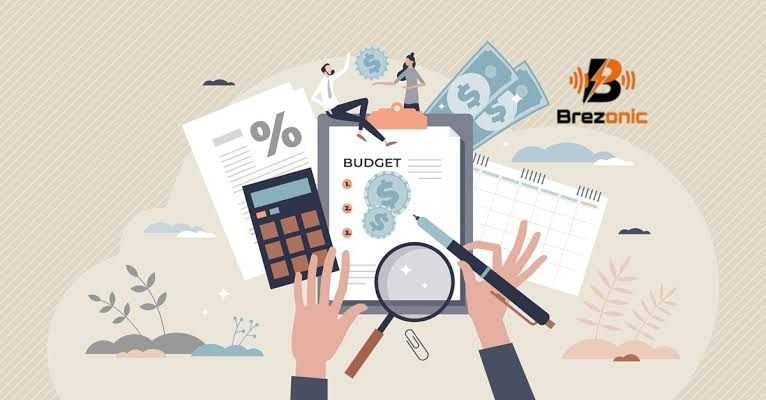
A budget is the cornerstone of successful money management. It helps you understand where your income goes and ensures you spend according to your priorities.
Begin by calculating your total monthly income.
Next, list all your expenses, including:
- Housing
- Utilities
- Groceries
- Transportation
- Insurance
- Entertainment
- Debt payments
- Savings
After listing everything, compare your income with your expenses.
If expenses exceed income, identify areas where spending can be reduced.
A realistic budget should leave room for savings while covering essential living costs.
Track Every Expense
Many people underestimate how much they spend on small daily purchases.
Coffee, snacks, online subscriptions, impulse shopping, and food delivery may seem inexpensive individually, but together they can significantly affect your monthly finances.
Track every expense for at least one month.
This exercise helps identify spending patterns and highlights opportunities to save money without sacrificing quality of life.
Build an Emergency Fund
Unexpected expenses happen to everyone.
Medical bills, car repairs, home maintenance, or temporary job loss can quickly create financial hardship if you’re unprepared.
An emergency fund acts as a financial safety net.
Financial experts often recommend saving three to six months of living expenses.
If that seems overwhelming, start with a smaller goal like:
- $500
- $1,000
- One month’s expenses
The important part is building the habit of saving consistently.
Differentiate Between Needs and Wants
One of the biggest challenges beginners face is distinguishing between essential needs and personal wants.
Needs include:
- Food
- Housing
- Utilities
- Healthcare
- Transportation
- Basic clothing
Wants include:
- Luxury gadgets
- Designer clothing
- Premium subscriptions
- Expensive dining
- Frequent vacations
Before making a purchase, ask yourself:
- Do I truly need this?
- Can I afford it?
- Will it improve my financial future?
- Is there a cheaper alternative?
This simple habit reduces impulse spending significantly.
Save Before You Spend
One powerful BetterThisWorld Money strategy is paying yourself first.
Instead of saving whatever remains after spending, transfer money into savings immediately after receiving your paycheck.
Automating savings makes the process easier and removes the temptation to spend everything.
Even saving a small percentage of your income every month can produce impressive long-term results.
Understand Good Debt and Bad Debt
Not all debt is harmful.
Good debt may include:
- Education loans
- Business investments
- Affordable home mortgages
Bad debt often includes:
- High-interest credit cards
- Payday loans
- Unnecessary consumer loans
Before borrowing money, evaluate whether the purchase will increase your financial value or simply satisfy a temporary desire.
Avoid carrying credit card balances whenever possible because high interest charges can quickly accumulate.
Start Investing Early
Many beginners think investing requires thousands of dollars.
In reality, modern investment options make it possible to begin with relatively small amounts.
Starting early offers one major advantage:
Compound growth.
Compound growth allows your investment earnings to generate additional earnings over time.
The earlier you begin investing, the longer your money has to grow.
Popular beginner investment options include:
- Index funds
- Mutual funds
- Retirement accounts
- Exchange-traded funds (ETFs)
Always research investment options carefully and choose investments that match your financial goals and risk tolerance.
Set Clear Financial Goals
Without clear goals, saving money becomes difficult.
Define both short-term and long-term financial objectives.
Examples of short-term goals:
- Build a $2,000 emergency fund
- Pay off a credit card
- Save for a vacation
- Buy a laptop
Long-term goals include:
- Buying a house
- Retirement planning
- Children’s education
- Financial independence
Specific goals provide motivation and direction for your financial decisions.
Increase Your Financial Knowledge
Financial education is an ongoing process.
The more you understand about budgeting, investing, taxes, insurance, and retirement planning, the better financial decisions you can make.
Read personal finance books.
Listen to financial podcasts.
Follow trustworthy educational content.
Stay informed about economic trends that may affect your financial plans.
Knowledge reduces costly mistakes and increases financial confidence.
Create Multiple Income Streams
Depending on one income source can be risky.
Many financially successful people diversify their income through:
- Freelancing
- Online businesses
- Dividend investments
- Rental income
- Digital products
- Consulting
- Affiliate marketing
Even a modest secondary income can accelerate savings and reduce financial stress.
Practice Smart Spending Habits
Saving money doesn’t always require major sacrifices.
Simple daily habits can make a noticeable difference.
Examples include:
- Cooking meals at home
- Comparing prices before shopping
- Buying quality products that last longer
- Using shopping lists
- Avoiding emotional spending
- Waiting 24 hours before making large purchases
These habits improve financial discipline over time.
Review Your Financial Progress Regularly
Money management is not a one-time task.
Review your budget every month.
Evaluate your savings progress.
Monitor investment performance.
Adjust financial goals as your income and lifestyle change.
Regular reviews help you stay on track and identify areas for improvement.
Common Beginner Money Mistakes
Many beginners make avoidable financial mistakes.
Some of the most common include:
- Living beyond their means
- Ignoring budgeting
- Failing to save consistently
- Carrying high-interest debt
- Investing without research
- Spending impulsively
- Not planning for emergencies
Recognizing these mistakes early makes them easier to avoid.
Develop Long-Term Financial Discipline
Successful money management is less about earning more and more about building consistent habits.
Financial discipline involves making responsible decisions repeatedly over many years.
Small improvements accumulate into significant financial progress.
Consistency often matters more than perfection.
Even modest monthly savings and investments can grow into substantial wealth over time.
BetterThisWorld Money is a financial management approach that encourages smart budgeting, consistent saving, responsible spending, and long-term investing to help individuals achieve financial stability and independence.
Money management helps beginners control spending, avoid unnecessary debt, build savings, prepare for emergencies, and achieve long-term financial goals with confidence.
Start by creating a monthly budget, tracking your expenses, building an emergency fund, paying off high-interest debt, and saving a portion of your income regularly.
Final Thoughts
BetterThisWorld Money is about creating a healthier relationship with your finances through practical, sustainable habits. Financial success is not achieved overnight, but by making smart decisions consistently. Budgeting, saving regularly, investing early, reducing unnecessary debt, and continuously improving your financial knowledge are all essential steps toward long-term prosperity.
For beginners, the most important lesson is to start now rather than waiting for the perfect time. Every positive financial decision whether it’s tracking expenses, building an emergency fund, or investing a small amount moves you closer to financial security. By following these smart money management strategies, you can confidently build a stronger financial future and enjoy greater peace of mind throughout every stage of life.