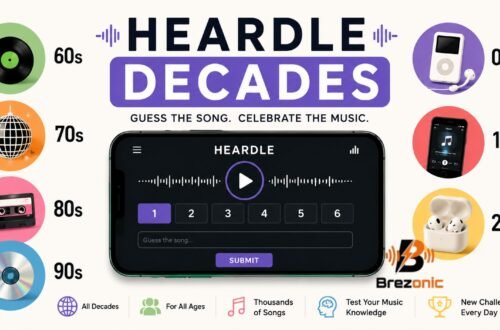








The Heardle 60s produced some of the most influential music in history. From energetic rock and roll to emotional soul, psychedelic experimentation, folk anthems, and unforgettable pop melodies, the decade changed the sound of popular culture. Heardle 60s turns that rich musical history into an entertaining guessing game that challenges players to recognize classic songs from extremely short audio clips.
Inspired by the familiar Heardle format, Heardle 60s focuses specifically on music released or popularized during the 1960s. Players listen to the opening seconds of a mystery track and attempt to identify its correct title and artist. It sounds simple, but recognizing a song from a tiny instrumental clue, drumbeat, guitar chord, or vocal sound can be surprisingly difficult.
Quick Information
| Game Information | Details |
|---|---|
| Game Name | Heardle 60s |
| Game Type | Music guessing puzzle |
| Main Theme | Popular songs from the 1960s |
| Inspired By | Heardle and Wordle |
| Platform | Web browser |
| Cost | Usually free to play |
| Gameplay Information | Details |
|---|---|
| Main Objective | Identify the mystery 1960s song |
| Number of Attempts | Up to six guesses |
| First Clue | A very short audio introduction |
| Additional Clues | Longer clips after skips or incorrect answers |
| Skills Required | Listening, memory and music knowledge |
| Suitable For | Classic music fans and trivia players |
What Is Heardle 60s?
Heardle 60s is an online music-identification game built around songs from the 1960s. Its basic idea is similar to a traditional “name that tune” challenge. Instead of receiving written clues, players hear a very short section from the beginning of a song.
After listening, the player enters a possible song title or artist. If the answer is incorrect, the game normally unlocks a longer part of the audio. Players continue listening and guessing until they identify the mystery track or use all their available attempts.
Most versions give players up to six chances. The first clip may be only a second long, while later attempts reveal progressively more of the song. This system creates an interesting decision: should you make an early guess to achieve a better score, or skip ahead and listen to a longer clue?
The challenge is not simply about knowing famous singers. Players must connect a particular sound with the correct song, which requires attention, musical memory, and familiarity with the many genres of the decade.
How to Play Heardle 60s
Playing Heardle 60s is straightforward, even if you have never tried a music guessing game before.
Begin by pressing the play button to hear the first audio clue. Listen carefully to every detail. The clip might contain an opening guitar riff, a piano note, a studio sound, a drum pattern, or the beginning of a vocal performance.
If you recognize the track, start typing the song title or artist into the answer field. Matching suggestions usually appear as you type. Select the complete answer from the available list and submit it.
If your selection is incorrect, another portion of the song becomes available. You may also have the option to skip an attempt when you do not have a reasonable guess. Skipping protects you from entering a completely random title, but it still uses one of your chances.
The objective is to find the correct song using as few clues as possible. Identifying the track on the first attempt is especially satisfying because it means you recognized it from only its opening sound.
Why the 1960s Is Perfect for a Heardle Game
The sixties was an unusually diverse period in popular music. Early parts of the decade still carried the influence of 1950s rock and roll, traditional pop, doo-wop, and rhythm and blues. As the decade progressed, music became more adventurous and culturally significant.
The British Invasion introduced a new generation of rock groups to international audiences. Motown brought polished soul music and memorable vocal performances into the mainstream. Folk musicians used songs to discuss war, civil rights, freedom, and social change. Surf rock, garage rock, psychedelic music, blues rock, and orchestral pop also developed recognizable identities.
This variety makes Heardle 60s unpredictable. One day’s answer might be a universally recognized pop hit, while the next could be a deeper soul recording or a psychedelic track with an unusual introduction. Even experienced music fans can struggle when a familiar song begins differently than they remember.
The recordings themselves also give the game character. Sixties production often features distinctive guitar tones, warm analog sound, strong vocal harmonies, tambourines, brass sections, organs, and creative studio effects. Learning to identify these details can improve a player’s performance.
Artists You May Encounter
A Heardle 60s challenge can draw from a broad range of performers. Depending on the version and its song collection, players may encounter music associated with major British groups, American pop singers, Motown vocal acts, soul legends, folk performers, and psychedelic rock bands.
Possible musical styles include:
- British rock and beat music
- Motown and classic soul
- Folk and protest songs
- Psychedelic rock
- Surf music
- Garage rock
- Blues-inspired rock
- Traditional pop
- Country and folk rock
- Instrumental hits
This broad selection means that success requires more than expertise in one genre. A rock fan may instantly recognize a famous guitar riff but struggle with a vocal-group introduction. A soul enthusiast might identify a Motown rhythm immediately while missing an acoustic folk song.
That variety is one of the strongest reasons to return to the game. Each new round presents a different part of the decade’s musical landscape.
Practical Tips for Getting Better Scores
The best Heardle 60s players do more than wait for the lyrics. Many songs can be recognized before the singer begins.
First, pay attention to instrumentation. A jangling electric guitar, dramatic string section, harmonica, organ, or brass arrangement may point toward a particular artist or genre.
Next, focus on rhythm and production. Motown recordings, for example, often have distinctive bass lines and percussion. Surf rock may feature bright, reverberated guitars, while psychedelic tracks can open with studio effects or unconventional instruments.
Headphones can also make a noticeable difference. A phone or laptop speaker may hide subtle sounds that reveal the answer. With headphones, it becomes easier to hear background percussion, stereo placement, breathing, count-ins, and quiet opening notes.
Avoid wasting attempts on completely unrelated answers. If the first clip provides almost no information, using the skip option may be more useful than making a random selection. A longer section could immediately reveal the melody.
It also helps to think about song titles separately from artist names. You may recognize the performer’s voice without remembering the exact track. Once you identify the likely artist, consider their best-known songs from the correct period.
Finally, listen to curated 1960s playlists regularly. Exposure is the easiest way to develop recognition. Over time, songs that once seemed unfamiliar will become identifiable within seconds.
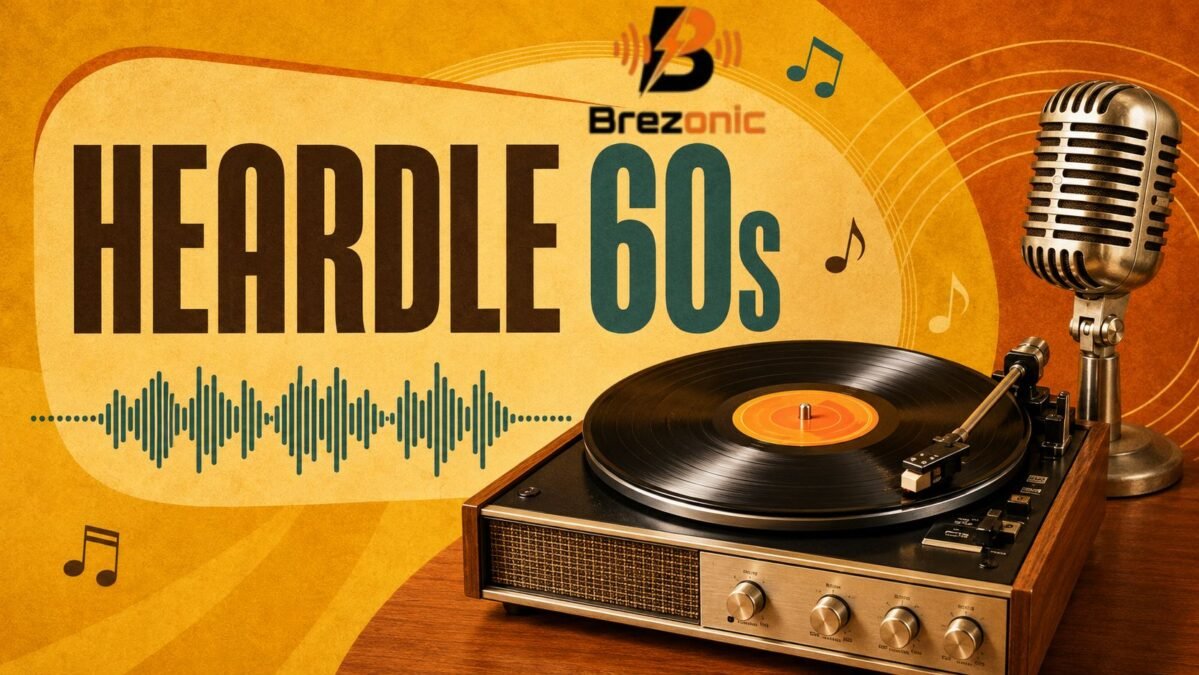
Heardle 60s as a Music-Discovery Tool
Although the game is competitive, it can also introduce players to classic recordings. Not every mystery song will be familiar, and losing a round is not necessarily a bad experience. When the answer is revealed, players can note the title and explore more music from that performer.
Younger listeners can use Heardle 60s as an accessible introduction to the decade. Instead of reading a long history of sixties music, they experience individual songs directly. Each round offers a small doorway into a particular artist, genre, or cultural moment.
Older listeners may enjoy it for a different reason. A brief musical introduction can bring back memories of records, radio programs, parties, films, and family experiences. This emotional connection gives Heardle 60s more personality than an ordinary trivia quiz.
The game can also encourage conversations between generations. Parents, grandparents, and younger family members can play together, combining different types of knowledge. One person may remember when a song was originally popular, while another recognizes it from a modern film, television show, or advertisement.
Why Heardle 60s Remains Appealing
Heardle 60s works because it combines simplicity with genuine challenge. The rules take only a moment to understand, but identifying a track from its first second can test even dedicated music fans.
It does not require advanced gaming skills, expensive equipment, or a large time commitment. A round can be completed in just a few minutes, making it suitable for a quick daily break. At the same time, the limited number of guesses adds enough pressure to make every decision feel important.
Another appealing feature is shareability. Players can compare results with friends without necessarily revealing the answer. This creates friendly competition over who recognized the song fastest.
Most browser-based versions of Heardle 60s can be played for free. Availability and individual features may vary depending on the platform hosting the game.
The usual format provides up to six attempts. Every incorrect answer or skip normally unlocks a longer part of the mystery song.
The collection may combine major hits with less obvious tracks. Some rounds are easy for casual listeners, while others are designed to challenge serious fans of 1960s music.
Final Thoughts
Heardle 60s is more than a simple guessing puzzle. It is an interactive celebration of a decade that transformed modern music. Its short audio clues test memory, listening ability, and knowledge while encouraging players to explore classic recordings from many different genres.
Some songs will be recognizable from the very first chord. Others will remain mysterious until the vocals begin, and a few may be completely new. That mixture of nostalgia, discovery, and competition keeps the experience fresh. For anyone who loves timeless music and quick daily challenges, Heardle 60s is an entertaining way to revisit the unforgettable sound of the 1960s.